

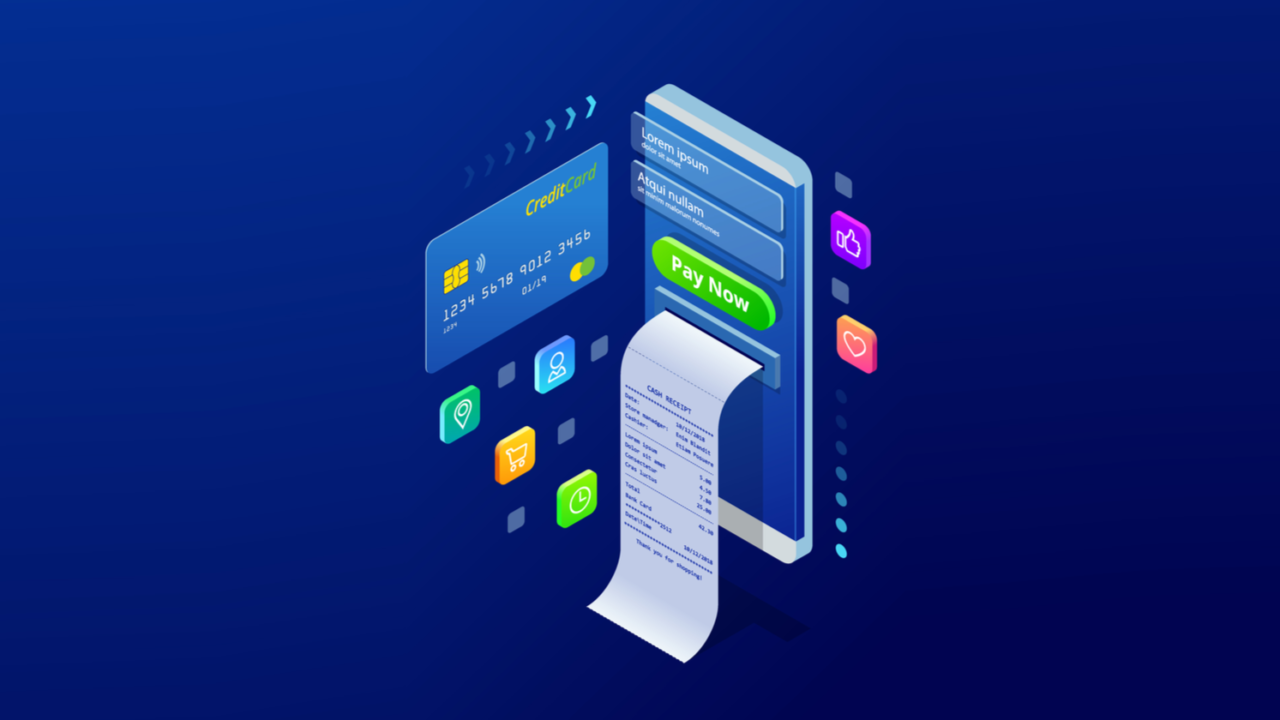
What are virtual payment services?
Virtual payment services are digital platforms and tools that let people and businesses send, receive, and manage money without using physical cards or cash. That umbrella includes mobile wallets (Apple Pay, Google Pay), online payment platforms (PayPal), payment processors (Stripe, Square), and virtual cards — digital-only card numbers issued for a single use or limited period.
How virtual payments work — the key components
Although implementations differ, most virtual payment solutions combine several common elements:
- Digital identity and authentication: user accounts protected by passwords, biometrics, or multi-factor authentication.
- Tokenization: replacing a real card or account number with a temporary token so merchants never see sensitive data.
- APIs and integrations: connections between e-commerce platforms, accounting systems, and payment gateways to automate checkout and reconciliation.
- Controls and reporting: tools for authorizing spend, setting limits, and generating transaction reports.
Popular types of virtual payment products
Virtual cards
Virtual cards are card numbers created for digital transactions. They can be single-use or set to expire quickly and are commonly used in B2B payments, travel bookings, and one-off online purchases. Virtual cards improve security because the merchant never receives the business’s real card number, and administrators can set limits and controls for each issued card.
Digital wallets
Wallets such as Apple Pay, Google Pay, and other mobile wallets store payment credentials and let users tap or click to pay. They rely on tokenization and device-level security (biometrics, secure elements) to reduce fraud at checkout.
Payment processing platforms
Platforms like Stripe and Square provide the plumbing for online and in-person payments, handling card acceptance, fraud screening, and settlement into merchant bank accounts. They often expose APIs that businesses use to embed payments directly into websites and apps.
Why businesses and consumers use virtual payments
- Security: tokenization and single-use cards limit exposure of real account numbers.
- Control: businesses can issue cards with merchant- or amount-specific rules and automated expiry dates.
- Speed: electronic transfers and card authorizations are faster than checks or manual invoices.
- Global reach: many virtual payment providers support multiple currencies and cross-border transactions.
- Automation: integrations reduce manual reconciliation and human error.
Common use cases
Virtual payment services are versatile. Typical applications include:
- B2B supplier payments: virtual cards streamline vendor payouts and provide spend visibility.
- Online retail: wallets and payment gateways offer frictionless checkout for customers.
- Travel and bookings: one-time virtual card numbers can cover hotel or rental charges.
- Subscriptions and marketplaces: platforms manage recurring billing and split payments to sellers.
- Expense management: issue virtual cards to employees with preset limits to replace petty cash and reduce expense claims.
How to choose a virtual payment service
Picking the right provider depends on your needs. Use these criteria to compare options:
- Fees and pricing model: compare transaction fees, currency conversion rates, and monthly charges.
- Security and compliance: check for tokenization, PCI compliance, and fraud-detection features.
- Integration capabilities: confirm the provider supports your platform, accounting software, or ERP via APIs or plugins.
- Controls and reporting: look for role-based access, spend limits, reconciliation tools, and exportable reports.
- Global support and currency coverage: if you sell internationally, confirm supported currencies and payout destinations.
- Customer support and SLAs: evaluate the quality and responsiveness of technical and account support.
Implementation tips for businesses
When implementing virtual payments, follow these practical steps:
- Map your payment flows — understand who pays whom, when refunds happen, and how reconciliation will work.
- Prioritize tokenization and PCI compliance to reduce your audit scope and fraud risk.
- Automate reconciliation where possible by using APIs or native integrations with your accounting system.
- Start with a pilot for a single use case (e.g., vendor payments or subscription billing) before full rollout.
- Train staff and document processes so controls (like virtual card limits) are enforced consistently.
For organizations that already run integrated business systems, virtual payment services can plug into existing billing and order-management workflows — for instance, a BSS billing system can be paired with virtual cards and payment APIs to automate invoicing and collections.
Risks and how to mitigate them
Virtual payments reduce many traditional risks, but they introduce new operational concerns:
- Fraud and account takeover: mitigate with strong authentication and monitoring.
- Settlement and chargeback complexity: maintain clear refund and dispute procedures to manage liability.
- Vendor lock-in: prefer providers with standard APIs and clear data export policies so you can switch if needed.
Where virtual payments are headed
Expect continued adoption of APIs, instant payouts, richer reporting, and tighter integrations between payments and back-office systems. Virtual cards will remain important for B2B control and security, while wallets and seamless in-app payments will keep improving the consumer checkout experience.
Summary
Virtual payment services give businesses and consumers faster, more secure, and more controllable ways to move money. Evaluate providers based on fees, security, integration, controls, and support. Start with a focused pilot, automate reconciliation, and apply strong authentication to get the most value while keeping risk low.
FAQ
Are virtual cards safe to use?
Yes. Virtual cards improve safety by hiding real account numbers and can be issued with single-use or time-limited settings to reduce exposure.
Can small businesses benefit from virtual payment services?
Absolutely. Small businesses benefit from simpler reconciliation, fraud reduction, and the ability to accept a wider range of digital payments with minimal infrastructure.