

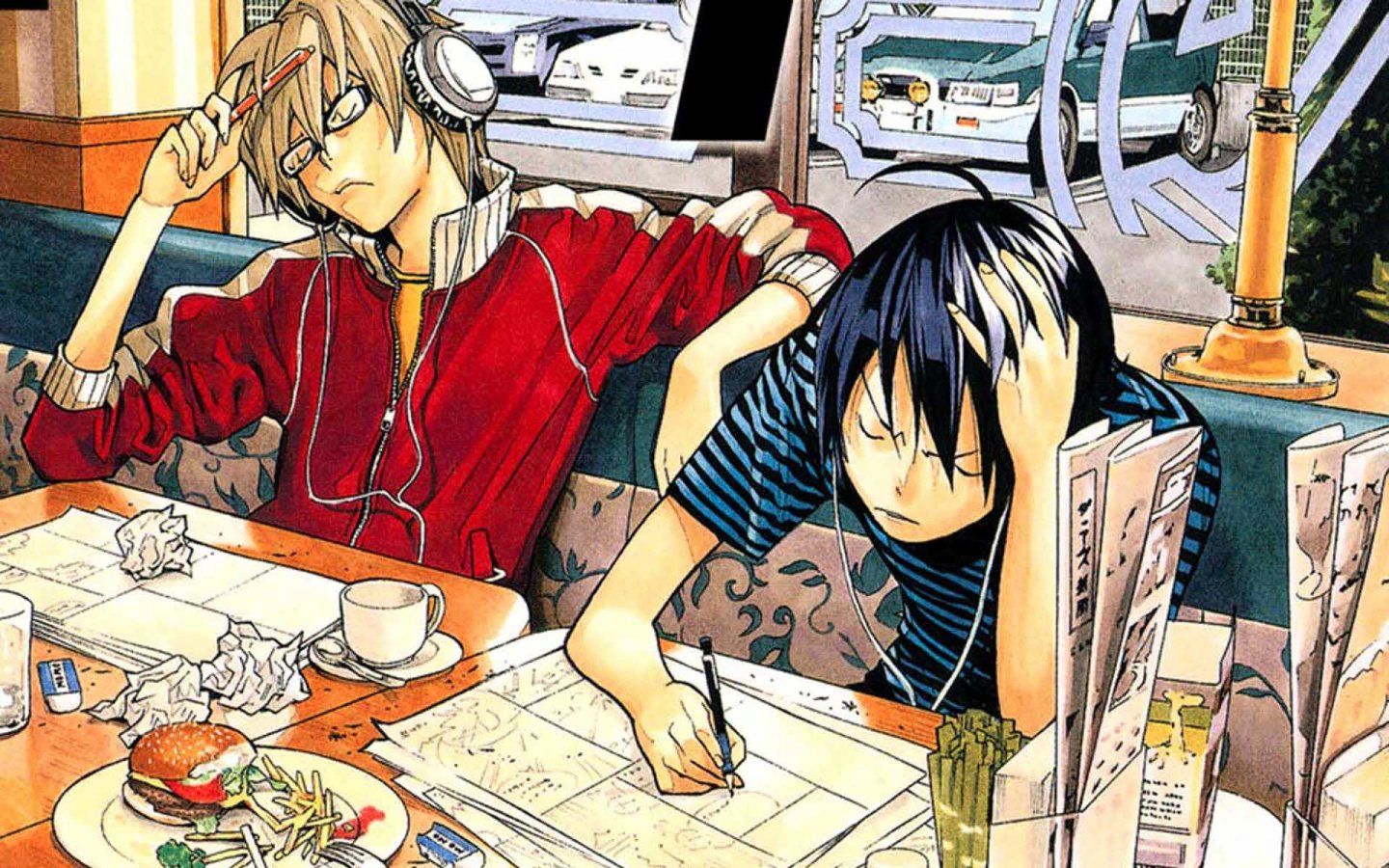
Manga is a storytelling medium that blends art and narrative in ways that can feel cinematic, intimate, and endlessly inventive. This article summarizes manga’s historical roots, explains how modern manga is made, highlights the art techniques that give it a distinctive look, and outlines the reasons it resonates with readers worldwide.
Where manga comes from: a short history
The visual storytelling traditions that became manga stretch back centuries in Japan. Early picture scrolls and woodblock prints introduced sequential images and popular visual motifs; those foundations were gradually transformed into the modern comic form.
In the late 19th and early 20th centuries, new printing technologies and periodicals made illustrated stories widely available. By the mid-20th century—especially after World War II—manga evolved into a mass medium. Creators such as Osamu Tezuka experimented with panel layouts, cinematic pacing, and recurring characters, establishing many conventions still used today.
Since then, manga has diversified into dozens of genres and age-targeted categories (for example, kodomo, shounen, shoujo, seinen, and josei). Serialized magazines and collected volumes (tankobon) have allowed long-form storytelling to flourish; at the same time, shorter works and one-shots continue to be popular.
How manga is made today
Modern manga creation combines traditional craft with digital tools. Typical stages include:
- Story planning: a premise, plot outline, and often storyboarding (name or nemu) to plan pacing and page composition.
- Penciling: rough sketches for panels, character poses, and backgrounds.
- Inking: final linework, historically done with brushes and pens; many artists still prefer this tactile step.
- Tones and textures: traditional screentone sheets provided shading and patterns; today, many creators use digital tone libraries and brushes to achieve the same effects.
- Lettering and speech bubbles: text placement is designed to support the flow of the page without obscuring art.
- Digital finishing and print preparation: final adjustments, corrections, and formatting for serialization or collected volumes.
On serialized schedules, artists often work with assistants for backgrounds, inking, and tones to meet weekly or monthly deadlines. Digital tools have sped some parts of the workflow and made distribution easier, but many core techniques remain rooted in hand-drawn workmanship.
The artistry of manga: techniques that shape its look
Manga is recognizable for a set of visual and storytelling conventions that give it a distinct aesthetic:
- Panel rhythm and cinematic framing: Page layouts often mimic film editing—close-ups for emotion, wide shots for establishing scenes, and creative panel shapes for dynamic movement.
- Expressive character design: Faces and poses are designed to communicate wide ranges of emotion quickly. Exaggerated expressions are a storytelling tool rather than mere stylization.
- Line work and texture: Varying line weight, hatch marks, and screentones build depth and mood in black-and-white art, the format still dominant for magazine serialization.
- Speed lines and motion cues: Visual shorthand for movement or intensity that gives action sequences momentum without extra panels.
- Genre-driven conventions: Shoujo manga may emphasize delicate linework and abstract backgrounds to convey feeling, while seinen titles might use dense cross-hatching and realistic proportions for a grittier tone.
These tools let mangaka (manga artists) adapt the same medium to romance, horror, slice-of-life, sports, fantasy, and countless other genres without losing the core sense of sequential cinema on the page.
Why manga appeals to so many readers
Several factors explain manga’s global popularity:
- Variety and accessibility: There is manga for almost every age and interest—fantasy epics, intimate dramas, workplace comedies, niche hobbies. This breadth makes it easy for new readers to find something that speaks to them.
- Long-form character development: Serialized storytelling allows creators to develop characters slowly and explore relationships and consequences over time. Readers often invest deeply in characters and arcs.
- Artistic economy: Black-and-white art and focused layouts often let creators prioritize storytelling and pacing, producing emotionally efficient pages that are easy to read but rich in detail.
- Cultural texture: Even when translated, manga can introduce cultural details—food, school life, social norms—that feel novel and educational to international readers while remaining character-driven rather than didactic.
- Adaptations and cross-media reach: Anime, live-action adaptations, games, and merchandise amplify a title’s visibility, drawing new readers to the source material.
Finally, manga communities—both in-person and online—help readers discover titles and discuss themes, building a participatory culture that reinforces interest and recommendation cycles. If you read manga online, it’s helpful to be mindful of legal and safety issues when choosing sites; for example, this article explains considerations around third-party reading sites: Is It Safe to Use MangaBuddy to Read Manga?
Getting started: tips for new readers
If you’re new to manga, try these simple steps:
- Pick a genre you already enjoy (fantasy, sports, romance) to find a comfortable entry point.
- Start with a popular, well-reviewed series or a short collection of one-shots to sample different creators’ voices.
- Pay attention to reading direction: many Japanese manga read right-to-left; translated editions usually note the format.
- Support creators by choosing official translations and licensed releases when possible—this helps sustain the work you enjoy.
Conclusion
Manga’s power comes from the marriage of art and narrative: economical, expressive visuals paired with a storytelling structure that favors character depth and serialized development. Its longstanding history, technical craft, and genre diversity make it a medium where nearly any reader can find something compelling. Whether you appreciate the art, the pacing, or the emotional resonance, manga offers a unique reading experience shaped by both tradition and constant innovation.
Frequently asked questions
Is manga only for Japanese readers?
No. While manga originates in Japan and reflects aspects of Japanese culture, its themes—friendship, ambition, love, survival—are universal. Translations and global distribution have made it accessible worldwide.
How is manga different from Western comics?
There are many differences in form and industry: manga tends to be serialized in black-and-white magazines and collected into volumes, often focusing on long-form serialized stories and specific demographic genres. Western comics have a wider range of formats and publishing models, but both media influence each other and overlap stylistically.