
Quick overview
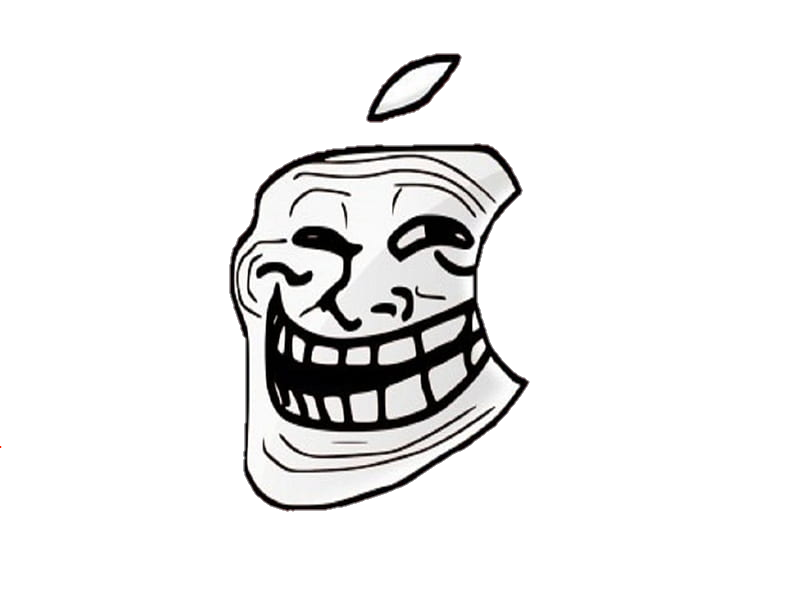
The Troll Face is one of the internet’s most recognisable meme images. On visual platforms like Pinterest it shows up in joke pins, DIY projects, and meme collections. This article explains where the image came from, why it spreads well on Pinterest, how creators adapt it, and what to consider when using it.
Where the Troll Face came from (short and cautious)
The Troll Face began life as a simple black-and-white, hand-drawn grin that became widely shared across forums and image boards in the late 2000s. Rather than a single sudden event, its rise was driven by user sharing and repeated remixing: people used the face to signal mockery, playful provocation, or comic triumph, and those uses helped the image spread rapidly across different sites.
How the meme spread to Pinterest
Pinterest is built around visual discovery and curation. The Troll Face’s bold, high-contrast look makes it easy to recognise at small thumbnail sizes and attractive to pin. That clarity explains much of its popularity on the platform:
- Visual clarity: The simple lines and high contrast read well on mobile feeds and in grid layouts.
- Repinability: Users collect images that fit a theme—humour boards, meme compilations, or craft projects—so a single viral image can appear on many different boards.
- Cross-format use: The face can be incorporated into printable templates, T‑shirt mockups, stickers, and GIFs—formats people upload or pin to Pinterest.
Why the Troll Face works on Pinterest specifically
Pinterest audiences often look for sharable visuals they can reuse or adapt. The Troll Face is flexible: it functions as a standalone joke, an overlay for text captions, or a graphic element within crafts. For creators and repinners, that adaptability matters more than an image’s origin.
Creators and DIY culture
Many Pinterest pins show Troll Face variations applied to physical projects—cakes, shirts, stickers, or printable joke cards. Those pins travel because they offer both an idea and a visual template other users can follow.
The Troll Face and broader internet culture
Beyond Pinterest, the Troll Face is a shorthand in online conversations for provocation, teasing, or gloating. Its longevity comes from two qualities: recognisability and versatility. As meme formats evolve, familiar images like the Troll Face reappear in new contexts—reaction images, remixes, or layered memes—and help connect threads of shared online humour across platforms.
Memes as communication
Memes like the Troll Face operate as quick visual language. A single image can carry tone, intent, and social meaning faster than a paragraph of text. That speed is why marketers, hobbyists, and casual users alike reach for the same familiar icons.
Practical tips for using Troll Face pins responsibly
- Mind copyright and attribution: Many meme images are reused without clear licensing. When you create derivatives or upload print-ready files, use original artwork or check usage rights.
- Consider context and tone: The Troll Face implies mockery. If you’re pinning on a public brand board or sharing with a sensitive audience, think about how the image will be received.
- Adapt visually for Pinterest: Use clear, legible captions and high-resolution files so your pin shows well on mobile and in search results.
When memes meet marketing
Meme usage by businesses or social accounts can backfire if it feels forced. If you plan to include meme imagery in campaigns, treat it as one tool among many and connect it to a clear creative idea or audience insight rather than using it as a gimmick. For a broader look at social platforms and how they factor into content strategy, see this guide on social media marketing.
Creating a simple Troll Face-style pin
If you want to design a pin inspired by the meme, keep these steps in mind:
- Start with clean lines and strong contrast so the image reads at small sizes.
- Add a short, punchy caption that completes the joke—Pinterest users often read only the image and the pin title.
- If you plan to sell a design, replace unlicensed meme art with your own original drawing or commission a clean, unique interpretation.
Conclusion
The Troll Face lives on Pinterest because it’s visually distinct, easy to reuse, and fits the platform’s discovery model. Whether you enjoy it as light-hearted mischief or avoid it for being provocative, the image remains a useful case study in how simple visuals travel across internet communities and platforms.