
Hoverboards can be a fun way for children to develop balance and confidence — but only if you choose the right model and use it safely. This guide explains the key things parents in the UK should check before buying a hoverboard for a child, how to compare features, and simple maintenance and safety tips.
1. Prioritise safety and certifications
Safety should come first. Look for hoverboards that carry recognised electrical and product safety marks. In practice this means checking for appropriate certifications and clear manufacturer information about electrical safety and battery protection. Other helpful safety features to look for include restricted top speed or beginner modes, clear weight limits, and an automatic shut-off if the battery overheats or faults are detected.
Protective equipment
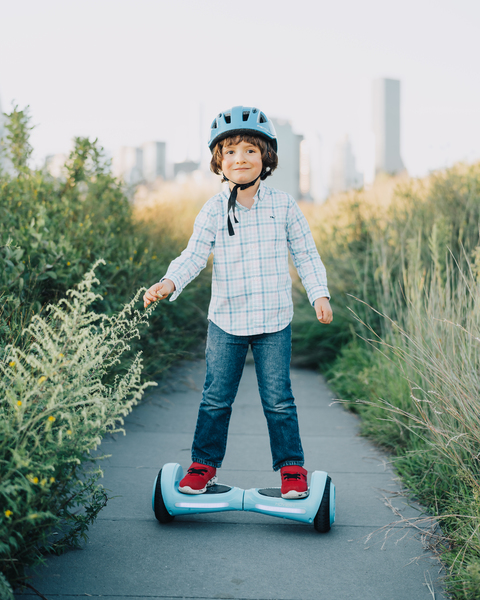
Always pair a hoverboard with protective gear. A properly fitted helmet is essential; wrist guards, elbow pads and knee pads add protection when kids are learning or riding on uneven surfaces.
2. Match size and weight limits to your child
Hoverboards are made in a range of sizes. Smaller units are lighter and easier for young children to control, while larger models provide more stability and higher top speeds. Check the manufacturer’s recommended minimum and maximum rider weights — using a board outside its design range can affect balance and braking performance.
Wheel size and terrain
Wheel diameter affects where the board performs best. Smaller wheels (around 6–7 inches) suit flat pavements and smooth surfaces, while 8–10 inch or larger wheels are more capable on rougher paths or grass. If your child will ride mostly in parks or on uneven surfaces, look for a model explicitly described as ‘all-terrain’.
3. Battery, range and charging
Battery capacity and real-world riding time vary by model, rider weight and terrain. Higher-capacity batteries deliver longer ride times but add weight. Review the manufacturer’s stated runtime and charging time, and favour products with clear charging instructions and safety features for the charger. Avoid unknown-brand boards with vague battery information.
Charging safety tips
- Charge on a hard, flat surface away from flammable materials.
- Use the provided charger and follow the manufacturer’s charging time guidance.
- Don’t leave a charging board unattended for extended periods.
4. Speed, control and learning features
Children need predictable handling. Many kids’ models include beginner or low-speed modes and gentle acceleration curves. For younger riders choose a board with a slower top speed, responsive balance control and simple, reliable braking. If you’re comparing models, look for user reviews that mention how easy the board is to learn on.
5. Build quality and durability
Check the construction quality: the strength of the frame, the sturdiness of footpads, wheel and tyre quality, and ingress protection levels if the manufacturer provides them. A robust frame and good-quality plastics or metal alloy parts will withstand knocks and regular outdoor use better than budget components. A warranty and transparent returns policy are also useful indicators of manufacturer confidence.
6. Useful extras — when they matter
Features such as LED lights improve visibility and appeal to kids. Bluetooth speakers and companion apps are fun but should be considered secondary to safety and build quality. If an app offers settings for speed limits or a ‘beginner’ mode, that can be a meaningful benefit.
7. Buying checklist — quick summary
- Confirm documented safety certifications and clear battery information.
- Match weight limits and wheel size to where your child will ride.
- Prefer models with beginner modes or speed limiting options for younger riders.
- Check charging instructions, included charger quality and warranty/returns.
- Read recent user reviews for reliability and customer service experiences.
8. Test before you decide (where possible)
If a shop allows test rides on private premises, take the opportunity. Look for predictable acceleration and braking, easy mounting and dismounting, and comfortable footpad grips. For online purchases, ensure the seller has a fair returns policy and good customer support.
9. Maintenance basics
Keep tyres inflated if applicable, store the board in a dry place, avoid riding through deep puddles or heavy rain, and follow the manufacturer’s battery care recommendations to prolong life. Periodically inspect bolts and footpads and address any unusual noises or changes in handling promptly.
Where to learn more
For a UK-focused overview of purchase options and local buying tips, see our guide: Hoverboards UK: Where to Buy and What to Look for?
FAQ
Are hoverboards safe for kids?
They can be, provided you choose a model with proper safety information, follow weight and age guidance, use protective gear and supervise practice sessions until your child is confident.
What age is appropriate?
Manufacturers provide age and weight recommendations. Many entry-level boards are designed for children aged 6 and up, but individual readiness varies — consider balance, coordination and maturity, not just age.
Can hoverboards be ridden on public roads?
Regulations differ by location and can change. Check local rules before riding in public spaces; when in doubt, ride on private land or in supervised areas.